
If your AC is running hard, your humidity feels high, or your electric bill keeps getting your attention, the question of variable speed vs single stage becomes more than a product comparison. In Palm Beach County, it is really a comfort decision. The right system can make your home feel steady and dry instead of cool one minute and sticky the next.
For homeowners and small business owners in Jupiter and nearby communities, this choice often comes up during replacement. A system that worked well enough years ago may not feel good enough now, especially with long cooling seasons, heavy humidity, and rising energy costs. The good news is that both options can work. The better news is that they do not work the same way, and that difference matters.
Variable speed vs single stage: what is the difference?
A single stage AC has one main operating level – full capacity. When it turns on, it runs at 100% until the thermostat reaches the set temperature, then it shuts off. That is the simplest style of cooling, and for many years it was the standard in homes across Florida.
A variable speed system adjusts its output over a range of speeds. Instead of running at full blast every time, it can operate lower and longer when conditions call for it, then ramp up when the space needs more cooling. That gives the system more flexibility to match what your home actually needs hour by hour.
On paper, that may sound like a technical distinction. In real life, it affects temperature swings, moisture removal, sound levels, and monthly operating costs.
How each system feels in a South Florida home
In our area, the thermostat setting is only part of the story. Humidity is a major part of comfort. A home can be 74 degrees and still feel clammy if the AC is not removing enough moisture from the air.
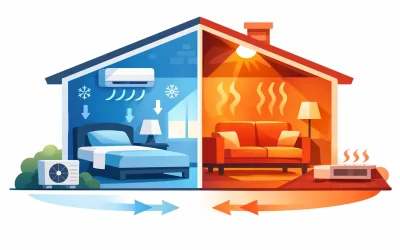
Single stage systems tend to cool in shorter, stronger cycles. They come on, lower the temperature, and shut off. That can leave you with more noticeable ups and downs. You may feel colder near vents while the unit is running, then warmer and more humid as it cycles off.
Variable speed systems usually run longer at lower output. That longer run time helps remove more moisture from the air. The result is a more even indoor temperature and a drier feel throughout the day. In South Florida, that can make a big difference in how comfortable your home feels, especially during the wet season.
For bedrooms, living spaces, and homes with hot spots, variable speed often delivers a more consistent experience. If comfort is your top priority, this is where variable speed usually separates itself.
Energy use and operating cost
This is where many buyers focus first, and for good reason. A higher-efficiency system can lower energy use, but savings depend on how the home is built, how the ductwork performs, how often the AC runs, and whether the system is sized correctly.
A single stage unit is generally less expensive to buy upfront. That lower entry cost is one reason it remains a practical option for some replacements, rental properties, and tighter budgets. If the home has modest cooling demands or the owner plans to move in the near future, single stage can still make financial sense.
Variable speed systems cost more initially, but they are designed to use energy more efficiently by avoiding constant full-capacity starts and stops. Because they can spend much of the day running at lower speeds, they often consume less power while keeping conditions more stable.
The exact return depends on usage. In a hot, humid climate where AC systems work for much of the year, the long-term savings potential is usually better than in milder parts of the country. Still, it is not accurate to promise the same payoff for every property. Homes with poor insulation, leaking ducts, or oversized equipment may not see the full benefit until those issues are addressed.
Humidity control is not a side benefit
When customers compare variable speed vs single stage, humidity control should be near the top of the conversation, not buried under efficiency ratings.
Short cycling is a common issue with single stage systems, especially if the unit is oversized. The temperature drops quickly, but the shorter run time limits moisture removal. That can leave the house cool but damp, which is not comfortable and can also affect indoor air quality over time.
Variable speed equipment has an advantage here because it can run longer without overcooling the space. That extended operation helps pull more moisture from the air. In South Florida, where humidity is persistent for much of the year, that feature often matters just as much as the SEER rating.
If you have noticed muggy rooms, musty smells, or a home that never seems to feel quite right, a variable speed system may address the problem more effectively than a basic one-stage replacement.
Noise, wear, and daily performance
Noise is another practical difference. Single stage systems are typically louder because they start and stop at full output. You hear the system kick on, run hard, and shut down. Some homeowners do not mind that. Others notice it every cycle.
Variable speed systems are usually quieter because they often operate at lower speeds. The sound is less abrupt, and the system tends to maintain comfort in the background instead of announcing itself. That can be especially helpful in homes where the indoor unit is near living areas or bedrooms.
There is also the question of wear and tear. Frequent hard starts can put more strain on components over time. Variable speed systems are built to modulate and operate more gradually, which can support better day-to-day performance. That said, advanced equipment is also more complex. Proper installation, setup, and service matter even more with higher-end systems.
Installation quality matters more than the label
A poorly installed variable speed system can underperform. A properly installed single stage system can still do a solid job. That is why equipment type should never be the only factor in your decision.
Sizing has to be right. Airflow has to be right. Duct condition matters. Thermostat compatibility matters. Drainage matters. In Florida, where systems remove both heat and moisture, small setup issues can create comfort problems that people mistakenly blame on the equipment itself.
That is one reason many property owners benefit from talking through the full picture before replacing a system. Budget matters, but so do home layout, insulation, occupancy, and whether the current problem is really the equipment or something else in the system.
Which option makes more sense for your property?
If your main goal is the lowest upfront cost, single stage may be the better fit. It can be a reasonable choice for smaller homes, certain light commercial spaces, properties with limited time horizons, or situations where replacement needs to happen quickly and cost control is the priority.
If your goals include better comfort, quieter operation, stronger humidity control, and lower energy use over time, variable speed is often worth the investment. It is especially appealing for full-time residences, higher-use homes, and customers who are tired of uneven temperatures or that cool-but-sticky feeling.
There is also a middle ground in some cases with two-stage systems, which offer more flexibility than single stage without going fully variable. But when the conversation is specifically variable speed vs single stage, the core trade-off is simple: lower initial price versus more refined comfort and efficiency.
For many South Florida homes, the best answer depends on how long you plan to keep the property and how much daily comfort matters to you. If this is a long-term home, paying more for better performance can be a smart decision. If the need is more immediate and budget-driven, a quality single stage installation may be the right call.
What to ask before you choose
Before you commit to either system, ask whether the current unit is properly sized, whether the ductwork is in good shape, and whether humidity control has been part of the diagnosis. Ask what efficiency gains are realistic for your home, not just what the brochure says. And ask whether your electrical setup, thermostat, and air handler are a good match for the equipment being proposed.
A trustworthy contractor should be able to explain why one option fits your home better than another in plain language. At Edwards Air Enterprise, that kind of practical guidance is part of helping customers make a replacement decision they feel good about after the install is done, not just on quote day.
The right AC system should not leave you guessing every afternoon whether the house will feel comfortable. It should fit your home, your budget, and the way you live in South Florida heat.
0 Comments