A restaurant dining room that runs warm at lunch, an office with hot and cold spots, or a retail shop with a leaking rooftop unit can lose business fast in South Florida. That is why light commercial HVAC service is not just about fixing equipment after it fails. It is about protecting comfort, avoiding downtime, and keeping daily operations on track.
For small business owners and property managers, HVAC problems usually show up at the worst time. The system may still be running, but energy bills climb, humidity starts to build, and customers or employees begin to notice. In Palm Beach County, where cooling systems work hard most of the year, those warning signs deserve attention before they turn into a shutdown.
What light commercial HVAC service covers
Light commercial HVAC service usually applies to smaller commercial properties rather than large industrial buildings or high-rise systems. That includes offices, storefronts, restaurants, medical suites, churches, small warehouses, and mixed-use properties. These buildings often rely on split systems, package units, rooftop systems, heat pumps, ductwork, thermostats, and ventilation components that need regular care.
The work itself can range from straightforward repairs to full system replacement. A technician may be called to troubleshoot weak airflow, short cycling, frozen coils, poor temperature control, water leaks, or electrical faults. In other cases, the focus is preventive maintenance, duct cleaning, warranty support, or helping an owner decide whether an aging unit still makes financial sense to repair.
The reason this category matters is simple. Commercial spaces have different demands than homes. Operating hours are longer, occupancy changes throughout the day, and one comfort issue can affect staff performance, customer experience, inventory protection, or lease obligations.
Why small commercial systems fail sooner in South Florida
Florida weather is tough on HVAC equipment. Long cooling seasons, high humidity, salt in the air near the coast, and sudden summer storms all add stress. Even a well-installed unit can lose efficiency if coils stay dirty, drain lines clog, refrigerant levels drift, or electrical parts begin to weaken.
Light commercial properties also face wear patterns that are easy to miss. A salon or restaurant may keep doors opening all day. An office may cool unevenly because of sun exposure, electronics, and meeting room occupancy. A retail space may have a unit that was sized for a previous tenant but no longer fits the load. These are not unusual problems, but they do need commercial-focused troubleshooting rather than a quick residential-style guess.
That is where experience matters. A good service visit is not only about restoring cooling. It should identify why the issue happened, whether other components are under strain, and what steps can reduce repeat calls.
Signs you need light commercial HVAC service now
Some HVAC problems are obvious. Others cost money quietly for months before anyone calls. If a commercial system is blowing warm air, tripping breakers, leaking water, or making loud noises, service should be scheduled right away. The same goes for units that struggle to keep up during normal business hours.
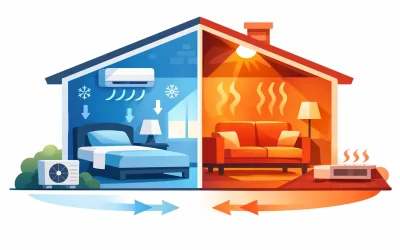
Less dramatic signs are just as important. Rising utility bills, uneven room temperatures, excess humidity, stale air, and frequent thermostat adjustments usually point to a system that is no longer operating as it should. If employees are bringing in space heaters or fans, that is often a sign the HVAC system needs more than a minor tweak.
Age matters too, but it is not the only factor. A ten-year-old unit that has been maintained may still have useful life left. A newer unit that has been neglected or improperly installed can become a constant repair issue much sooner. The right next step depends on repair history, energy use, parts condition, and how critical the space is to your business.
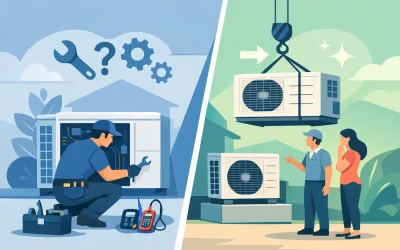
Repair or replace? It depends on the full picture
This is where many owners want a simple rule, but HVAC decisions are rarely that clean. If a system has one isolated issue and the core components are still in good shape, repair is often the practical choice. Replacing a contactor, capacitor, blower motor, drain assembly, or thermostat can restore performance without a major investment.
If the compressor is failing, refrigerant leaks keep returning, or service calls are becoming a regular expense, replacement may be the smarter move. The same is true if the system struggles with humidity control or no longer cools the space evenly, even after repairs. In a customer-facing business, unreliable comfort has a real cost beyond the invoice.
Energy efficiency also deserves a hard look. An older system may still run, but if it is using more power every month and keeping the building less comfortable, keeping it alive can become the expensive option. A replacement can lower operating costs, improve control, and reduce emergency breakdown risk. For some businesses, financing makes that decision easier when cash flow matters.
What good commercial maintenance actually does
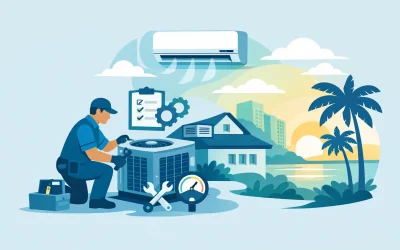
Preventive maintenance is one of the most overlooked parts of light commercial HVAC service, usually because the system seems fine until it is not. In reality, routine service helps catch small issues while they are still manageable. Dirty coils, loose electrical connections, clogged drain lines, weak capacitors, worn belts, and airflow restrictions are all easier and less expensive to address before they trigger a failure.
Maintenance also supports better efficiency and indoor comfort. In Florida, humidity control matters just as much as temperature. A system that cools but does not remove moisture well can leave a space feeling uncomfortable, create musty odors, and put extra strain on equipment. Scheduled inspections help keep performance where it should be.
For property managers, maintenance has another advantage. It creates a service history. That record makes it easier to plan repairs, budget for replacement, and document care for warranty-related situations. It also reduces the guesswork when tenants report comfort problems.
Choosing the right contractor for a small commercial property
Not every HVAC company approaches commercial work the same way. Small business owners need a contractor who understands that speed matters, but so does accountability. A rushed fix that gets cooling back for one day is not much help if the same issue returns during peak hours.
Look for a company that can handle the full scope of the job, including diagnostics, repairs, replacements, maintenance, ductwork concerns, and support for major equipment brands. Clear communication matters just as much as technical skill. You should know what failed, what it will take to fix it, what condition the rest of the system is in, and whether there are realistic options if replacement is approaching.
Local experience is especially valuable in communities like Jupiter, Palm Beach Gardens, North Palm Beach, and Tequesta. Building types, salt exposure, humidity loads, and seasonal demand patterns all affect system performance. A contractor who works in this environment every day is more likely to spot recurring issues early and recommend solutions that make sense for this market.
Family-owned companies often stand out here because service is personal. When a contractor depends on local reputation, responsiveness and workmanship are not side notes. They are the business. That is one reason many property owners choose a company like Edwards Air Enterprise for ongoing support instead of calling a different provider every time something goes wrong.
What to expect from a service call
A strong service visit should start with listening. Comfort complaints, operating hours, past repairs, and how different parts of the building are used all help narrow the issue. From there, the technician should inspect system operation, airflow, electrical components, refrigerant performance, drain function, and controls.
Sometimes the solution is straightforward. Other times, the system is showing symptoms of a larger problem, such as poor duct design, oversized equipment, deferred maintenance, or aging components that are beginning to fail together. Honest service means saying so clearly. It is better to hear that a unit is becoming unreliable than to keep paying for short-term fixes that do not last.
The best outcome is not simply getting the air back on. It is having a clear path forward, whether that means a targeted repair, a maintenance plan, or a scheduled replacement before the next peak season hits.
For small commercial properties, HVAC service should bring stability, not surprises. When your cooling system supports your business the way it should, your staff can work, your customers stay comfortable, and you spend less time reacting to avoidable problems. If your system has been struggling, the right time to address it is usually before the next busy day proves the point.
0 Comments