
A South Florida air conditioner can run hard for most of the year, often without a true off-season. That is why an HVAC preventive maintenance guide is not just a checklist for homeowners in Jupiter and Palm Beach County. It is a practical way to avoid a hot-house emergency, control humidity, and catch small mechanical problems before they become a major repair.
Preventive maintenance does not guarantee that a system will never fail. Parts wear out, storms happen, and older equipment eventually reaches the end of its useful life. But regular service gives your HVAC technician a chance to spot warning signs early, keep the system operating efficiently, and help you make repair or replacement decisions on your terms instead of during an urgent breakdown.
Why Preventive HVAC Maintenance Matters Here
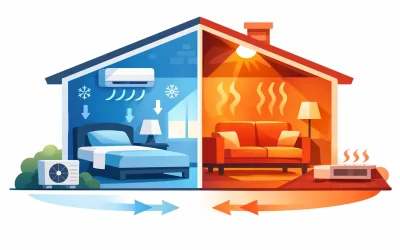
Florida heat places steady demand on compressors, blower motors, capacitors, drain systems, and electrical components. High humidity adds another layer of concern. Your air conditioner does more than cool the air – it also removes moisture from it. When airflow, drainage, refrigerant levels, or system operation are not right, a home can feel clammy even when the thermostat shows the temperature you selected.
A poorly maintained system may still run, but it can run longer than necessary. That can lead to uneven temperatures, higher electric bills, more wear on components, and reduced comfort. For property managers and small business owners, the stakes can be even higher: a cooling failure can disrupt tenants, customers, employees, and daily operations.
Routine service is especially valuable for seasonal homes. A unit that sits with limited use can develop issues such as clogged drain lines, pest damage, corrosion, or a weak electrical component that is not apparent until the system is pushed hard.
HVAC Preventive Maintenance Guide: What a Professional Visit Covers
A complete maintenance appointment should be more than a quick filter change and a look at the thermostat. A qualified technician evaluates the system as a whole because comfort problems often come from several small issues working together.
Thermostat, controls, and system operation
The technician should confirm that the thermostat is responding properly and that the system starts, cools, cycles, and shuts down as intended. This includes checking electrical connections and safety controls. Loose or damaged electrical components can cause intermittent operation and can put stress on motors and other parts.
Airflow and filtration
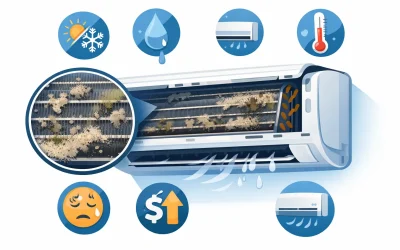
Airflow is central to both comfort and equipment protection. During service, a technician can inspect the filter, blower components, accessible duct connections, and supply and return airflow. A dirty filter is one of the most common and preventable sources of trouble. It can restrict airflow, reduce cooling performance, increase energy use, and contribute to coil issues.
Ductwork deserves attention when rooms cool unevenly, dust seems excessive, or airflow has noticeably declined. Depending on the home and its condition, an inspection may point to duct leakage, damaged insulation, restricted returns, or a need for professional duct cleaning. Duct cleaning is not required at every maintenance visit, but it can be worthwhile when there is visible debris, post-renovation dust, signs of contamination, or persistent indoor air quality concerns.
Indoor coil, outdoor unit, and refrigerant performance
The indoor evaporator coil and outdoor condenser unit work together to move heat out of your home. Dirt buildup, blocked outdoor clearance, damaged fins, and airflow restrictions can make that job harder. A technician will inspect these areas and assess overall system performance.
Refrigerant is not something that normally gets used up like fuel. If a system is low, it may indicate a leak or another problem that needs diagnosis. Simply adding refrigerant without identifying the cause can delay the real repair and may leave the system operating inefficiently.
Condensate drainage and humidity control
This is one of the most important service areas in South Florida. Air conditioning creates condensation, which exits through a drain line and related components. Algae, sludge, and debris can clog that path. The result may be water damage, a system shutdown, ceiling staining, or excess indoor humidity.
A maintenance visit should include inspecting and clearing the condensate drain system as appropriate. If you have noticed musty odors, water near the indoor unit, a full drain pan, or the system turning off unexpectedly, do not wait for the next scheduled visit.
Motors, capacitors, and moving parts
Blower motors, condenser fan motors, capacitors, contactors, and other electrical parts face considerable wear in a long cooling season. Technicians can look for overheating, corrosion, unusual readings, vibration, and early signs of failure. Replacing a weakening part during a planned service visit is often less disruptive than waiting for it to fail on a humid August afternoon.
A Homeowner’s Between-Visit Routine
Homeowners can support professional maintenance without attempting technical repairs. Start by checking the air filter monthly. Replace it based on its condition, the filter type, household occupancy, pets, and indoor air quality needs. In many homes, a replacement every one to three months is reasonable, but a visibly dirty filter should not wait.
Keep the area around the outdoor unit clear of leaves, mulch, palm fronds, lawn equipment, and stored items. The unit needs open space to release heat. Do not cover the unit while it is operating, and avoid spraying it with high-pressure water, which can damage delicate fins.
Indoors, keep supply vents and return grilles open and unobstructed. Closing multiple vents to force more air into another room can disrupt airflow and create new problems. Pay attention to changes in operation: new rattling sounds, weak airflow, frequent cycling, warm air, unusual odors, or humidity that will not go away are all worth reporting.
If a condensate safety switch shuts the system down, do not bypass it. That switch may be preventing water from overflowing. Call for service so the drainage issue can be addressed correctly.
How Often Should HVAC Maintenance Be Scheduled?
For most Palm Beach County homes, twice-yearly maintenance is the practical standard: one visit before the heaviest cooling demand and another inspection later in the year. Because air conditioning operates so frequently here, annual service can be enough for some newer, lightly used systems, but it may not be the best fit for every household.
More frequent attention may make sense for older systems, homes with pets, vacation properties, homes near salt air, units with recurring drain concerns, or light commercial equipment with long operating hours. The right schedule depends on equipment age, usage, location, and service history.
Maintenance also supports warranty requirements for many manufacturers. Keep service records, invoices, and installation documentation in a safe place. If a warranty-related issue arises, having a clear maintenance history can make the process easier.
When Maintenance Reveals a Bigger Problem
A good technician should be honest about the difference between a repairable issue and a system that is becoming unreliable. A failed capacitor, clogged drain line, or worn contactor may be a straightforward repair. Repeated refrigerant leaks, major compressor trouble, frequent breakdowns, or costly repairs on an aging unit deserve a broader conversation.
Replacement is not automatically the right answer because a unit is old. If the system is cooling well and the repair is reasonable, repair may be the sensible choice. However, when repair costs keep adding up, efficiency is poor, humidity control is inconsistent, or a major component fails near the end of the system’s service life, a replacement estimate can help you compare options clearly.
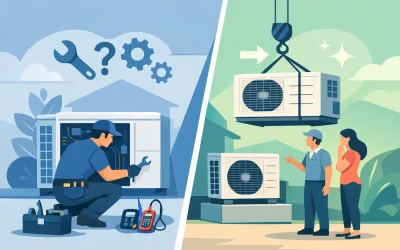
A local contractor should explain the findings in plain language, identify what is urgent and what can be monitored, and give you straightforward choices. Edwards Air Enterprise serves homeowners and light commercial customers with preventive maintenance, repairs, system replacements, and emergency support when an unexpected issue cannot wait.
Make Maintenance Part of Your Comfort Plan
The best time to schedule HVAC service is when your system is still keeping you comfortable. Planned maintenance gives you time to address minor concerns, budget for future work, and head into the hottest part of the year with more confidence. If your AC has been working harder, draining poorly, or leaving rooms humid, a professional inspection now can be far easier than dealing with a breakdown later.
0 Comments