
If your upstairs feels five to ten degrees hotter than the main floor by midafternoon, you are not imagining it. In South Florida, where AC runs hard for much of the year, homeowners often ask how to improve airflow upstairs without wasting money on the wrong fix. The answer usually is not one single repair. It is a combination of airflow, insulation, duct design, and system performance working together or working against you.
Why upstairs rooms lose comfort first
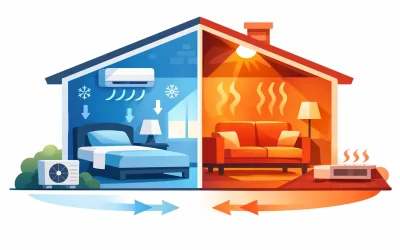
Heat rises, but that is only part of the story. Second floors also pick up more heat from the roof, attic, sun exposure, and exterior walls. If the ductwork serving those rooms is undersized, leaking, kinked, or poorly balanced, cool air may never get there in the amount needed.
That is why a home can have an AC system that seems to cool the downstairs just fine while bedrooms upstairs stay stuffy. In many cases, the thermostat is reading a comfortable temperature downstairs and shutting the system off before the upper level ever catches up.
How to improve airflow upstairs by checking the basics first
Before assuming you need a new unit, start with the simple issues that can restrict airflow. A clogged return filter is one of the most common problems. When the filter is packed with dust, the system cannot move enough air through the house, and the farthest rooms usually suffer first.
Supply vents and return grilles matter too. Furniture, rugs, curtains, and even closed interior doors can limit how air circulates upstairs. If a bedroom door stays shut and there is not enough return air path, the room can become pressurized, which reduces the amount of conditioned air coming in through the supply vent.
Walk through the second floor while the AC is running. Put your hand over each vent and compare airflow from room to room. If one room has noticeably weak airflow, that points to a balancing or duct issue more than a whole-system failure.
Ductwork is often the real problem
In homes across Jupiter, Palm Beach Gardens, and nearby areas, we often see upstairs comfort problems tied to duct layout. Flexible ducts can sag over time. Connections can loosen. Older ducts may leak cooled air into the attic before it ever reaches the room they are supposed to serve.
Even small leaks add up in a hot attic. Your AC ends up working longer, energy use goes up, and the upstairs still feels warm. If the duct run to the second floor is especially long or poorly sized, the system may not be able to deliver enough volume where it is needed.
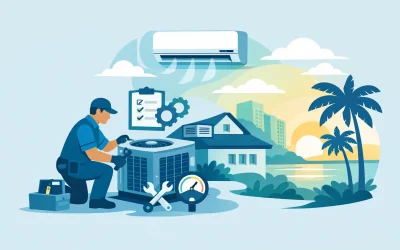
This is where professional testing helps. A technician can measure static pressure, inspect duct condition, and see whether the issue is poor airflow delivery, insufficient return air, or a system that was never balanced correctly in the first place.
The thermostat location may be working against you
A lot of two-story comfort complaints come back to one thing: the thermostat is downstairs. That means the AC turns off based on the temperature in the coolest part of the home, not the hottest part.
If you have one system serving both floors, this can be a built-in limitation. The downstairs may hit the set temperature quickly while the upstairs remains uncomfortable. In that case, turning the thermostat lower is a temporary workaround, but it usually means overcooling the main level and driving up electric bills.
A zoning system or a thermostat strategy with remote sensing can help, depending on your equipment. For some homes, adding control by floor makes a major difference. For others, the better fix is improving airflow and reducing heat gain first. It depends on how the system and ductwork were originally designed.
Attic heat and insulation make a bigger difference than many homeowners expect
If your upstairs is always warm in the late afternoon, your attic may be part of the problem. In South Florida, attic temperatures can get extreme, and that heat radiates into ceiling surfaces and nearby ductwork. Even a properly operating AC system can struggle if the thermal load upstairs is too high.
Insulation helps slow that heat transfer. So does good attic ventilation. If insulation levels are low or uneven, the second floor can warm up faster and stay warmer longer. If ducts run through a superheated attic, any weak spots in insulation around those ducts can reduce cooling performance before the air reaches the room.
This is also one of those areas where trade-offs matter. Better insulation will not fix a broken blower motor or undersized duct. But if your system is in decent shape, reducing heat gain can make the upstairs much easier to cool.
How to improve airflow upstairs without overworking your AC
Homeowners sometimes try to force more cool air upstairs by closing downstairs vents. That can help slightly in a few homes, but it is not a reliable fix and it can create pressure problems. Modern HVAC systems are designed for a certain amount of airflow. Blocking too many vents can increase static pressure and strain the equipment.
A better approach is proper balancing. That means adjusting dampers, checking duct sizing, and making sure the blower is moving the correct amount of air. In some systems, fan speed settings can be adjusted. In others, the issue is not fan speed at all but poor return air, duct leakage, or an aging indoor blower assembly.
Ceiling fans can help the upstairs feel better, but they do not lower the room temperature. They improve comfort by moving air across your skin. That is useful, especially in bedrooms, but it should be seen as support, not the main answer.
When the AC system is undersized or aging
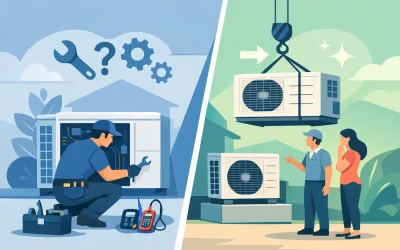
Sometimes the reason upstairs airflow feels weak is that the whole system is nearing the end of its useful life. A blower motor that is wearing out, a dirty evaporator coil, low refrigerant, or a system that was undersized from day one can all show up as poor second-floor comfort.
Older equipment may still cool the house somewhat, but not evenly. If repair issues have been stacking up and your upstairs has never been comfortable, it may be time to look at whether the current system matches the home’s actual cooling needs.
That does not automatically mean replacement. In some homes, a repair and duct correction will solve the issue. In others, especially larger two-story homes, a replacement with improved airflow design or zoning may be the smarter long-term decision. The right answer depends on the age of the system, repair history, and how much discomfort you are trying to solve.
Signs you need a professional airflow evaluation
If the upstairs is consistently hot, certain rooms barely get airflow, or your AC runs for long stretches without improving comfort, it is worth having the system evaluated. The same is true if you notice high humidity upstairs, rising utility bills, or a big temperature gap between floors.
A proper evaluation should look beyond the outdoor unit. It should include airflow readings, filter condition, blower performance, duct inspection, return air capacity, and overall system balance. In many cases, that full picture is what separates a real fix from another temporary patch.
For homeowners who want a dependable answer instead of guesswork, a local HVAC company with experience in Florida homes can identify whether the issue is maintenance-related, duct-related, or a sign that the system design needs to change. That kind of practical diagnosis saves time and keeps money from going toward repairs that do not address the root cause.
The smartest fix is the one that matches the cause
There is no universal fix for an upstairs that stays hot. Some homes need a clean filter and duct adjustment. Some need return air improvements. Others need attic insulation, duct sealing, or a system upgrade that can better handle a two-story layout.
That is why the best path is not guessing based on what worked for someone else. It is identifying where airflow is being lost, where heat is building up, and whether your current equipment can realistically keep up. If your upstairs never feels right, the problem is usually solvable, but the solution has to fit the home.
When comfort is uneven between floors, small changes can help, but the lasting improvement comes from getting the system evaluated as a whole. A well-cooled upstairs should not be a luxury in Florida. It should be part of how your home works every day.
0 Comments